Stamp Duty and Registration Charges in Karnataka
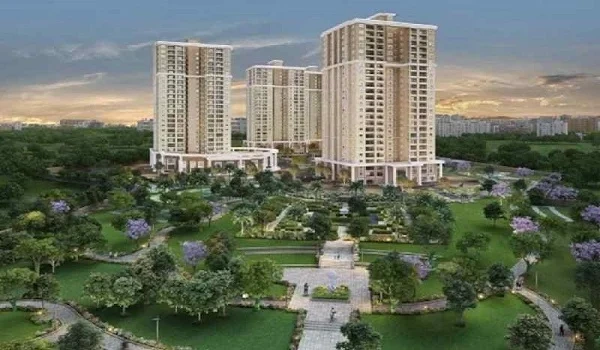
Featured Image of Stamp Duty and Registration Charges in Karnataka


Stamp duty in Karnataka runs from 2% to 5% of the property value, based on a slab tied to the transaction amount. Registration charges add another 2% on top of that. This follows a hike from the older 1% rate, which took effect on 31 August 2025. Together, these two charge form the biggest statutory cost on any property purchase in the state, well before cess and surcharge get added in.

Most buyers plan for the down payment and the loan margin. Many then get caught off guard by this extra cost at the sub registrar office. This guide breaks down every slab and every add-on charge, with a full worked example, so nothing surprises you on registration day.

Current Karnataka Stamp Duty Slabs


Karnataka uses a three tier slab structure for stamp duty. The rate you pay depends on where your property value lands within these bands.

Property Value Stamp Duty Rate
Up to ₹20 lakh 2%
₹20 lakh to ₹45 lakh 3%
Above ₹45 lakh 5%

A home priced at ₹45 lakh or below falls into a lower slab. Anything past that mark jumps to the top rate of 5%. This makes ₹45 lakh an important pricing line for many mid segment buyers across Bangalore and the rest of Karnataka.

Registration Charges Now Stand at 2%


For years, registration charges in Karnataka sat at a flat 1% of property value, no matter the stamps duty slab. That changed on 31 August 2025, when the state government doubled this rate to 2% across every property category.

The revised rate applies the same way whether you buy inside BBMP limits, a municipal corporation area or a gram panchayat zone. It also stays the same regardless of gender, since Karnataka does not offer a lower registration rate for women buyers the way some other states do. Any sale deed registered after the effective date attracts the new 2% charge, even if the agreement was signed earlier.

Cess and Surcharge Explained


Karnataka also adds a cess and a surcharge on top of the base stamp duty and registration fee. Both get calculated as a share of the stamp duty amount, not the full property value, so the actual rupee impact stay fairly small.

Charge BBMP and Corporation Areas Gram Panchayat Areas
Cess 10% of stamp duty 10% of stamp duty
Surcharge 2% of stamp duty 3% of stamp duty
Effective Total on 5% Slab Approx. 5.6% Approx. 5.65%

The gram panchayat surcharge runs a shade higher than the urban corporation rate. Buyers in areas just outside the city end up paying slightly more in cess and surcharge, even though the base stamp duty slab stays the same.

How Stamp Duty Gets Calculated


The stamp duty office does not simply go by the price you and the seller agreed upon. It checks your declared sale value against the government guidance value for that locality. Duty gets charged on whichever figure turns out higher.

The Department of Stamps and Registration fixes guidance value for every micro market in Karnataka. This value gets revised from time to time as local prices shift. You can check the current guidance value for any survey number on the Kaveri Online Services portal before you finalise a deal.

Example Calculation for a ₹1 Crore Property


Numbers explain this system better than percentages alone. Here is a full breakup for a property bought in a BBMP or corporation area for ₹1 crore.

Component Rate Amount
Stamp Duty (above ₹45 lakh slab) 5% ₹5,00,000
Cess 10% of duty ₹50,000
Surcharge 2% of duty ₹10,000
Registration Charge 2% ₹2,00,000
Total Statutory Cost Approx. 7.6% ₹7,60,000

On a ₹1 crore home, set aside close to ₹7.6 lakh for stamp duty, cess, surcharge and registration together. Add a small buffer for document handling and legal fees on top of that figure.

Documents Required for Property Registration


Karnataka's sub registrar offices ask for a fixed set of documents at the time of registration. Missing even one of these can delay your appointment by weeks.

  • Original sale deed and prior chain of title documents
  • PAN card and Aadhaar card of both buyer and seller
  • Passport size photographs of both parties and two witnesses
  • Encumbrance certificate for the property in question
  • Latest property tax paid receipt from the local body
  • Khata certificate or extract, where it applies to the property type

Keep photocopies ready along with the originals. The sub registrar's office usually keeps a set for its own records.

How to Pay Stamp Duty and Registration Charges


Karnataka runs its property registration through the Kaveri Online Services portal. This portal handles document entry, stamp duty payment and appointment booking in one place. You can pay through e-stamping at approved centres or through a challan generated on the portal itself. Both routes work at every sub registrar office in the state.

Franking through a bank was once the common method, but it has largely given way to e-stamping and direct online payment. Book your registration slot on Kaveri well in advance. Busy sub registrar office in growth corridors often run a backlog of a few weeks during peak season.

What This Means for Prestige KIADB Buyers


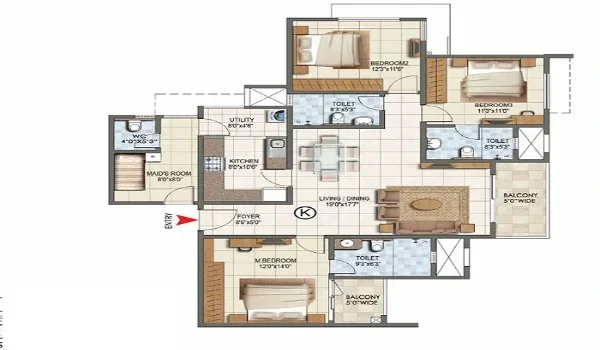
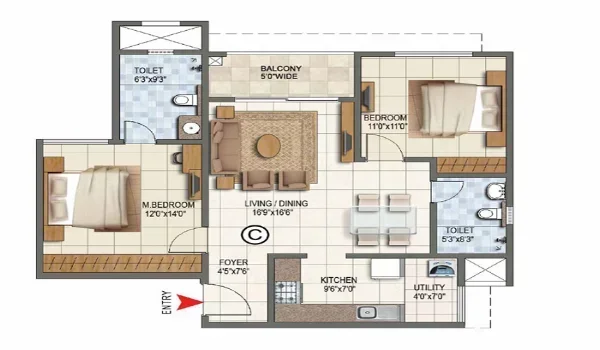
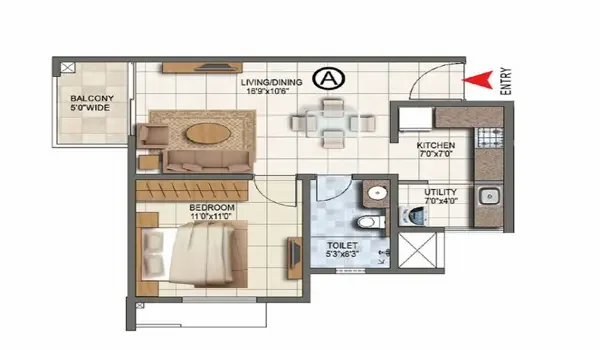
Buyers looking at a home in the Devanahalli belt, including projects like inside KIADB Phase 2, should factor these charges into their budget from day one. A 1 BHK starting near ₹74 lakh falls into the top stamp duty slab. That pushes the total statutory outgo past ₹5.6 lakh once cess, surcharge and registration are added in.

This belt sits outside core BBMP limit, so the applicable surcharge rate depends on the local body classification. Confirm with your sub registrar office whether the corporation rate or the gram panchayat rate applies to your survey number. That one check can shift your total cost by a real margin.

Prestige Group Prelaunch Project is Prestige KIADB.

FAQs


1. What is the current stamp duty rate in Karnataka?

Stamp duty runs from 2% to 5%, depending on the property value. The top rate applies to any transaction above ₹45 lakh.

2. What are the registration charges in Karnataka in 2026?

Registration charges stand at 2% of property value, following a hike from the earlier 1% rate that took effect on 31 August 2025.

3. Is there a discount on stamp duty for women buyers in Karnataka?

No. Karnataka charges the same stamp duty and registration rate to every buyer, regardless of gender.

4. How is stamp duty calculated when the guidance value is higher than the sale price?

The sub registrar charges duty on the guidance value in that case. The higher of the two figures always applies.

5. Can I pay Karnataka stamp duty and registration charges online?

Yes. The Kaveri Online Services portal handles document entry, e-stamping payment and appointment booking for property registration statewide.

6. Do cess and surcharge apply on top of the base stamp duty rate?

Yes. A 10% cess and a 2% to 3% surcharge get added on the stamp duty amount, based on whether the property sits in a corporation or gram panchayat area.

Enquiry
Enquire Now