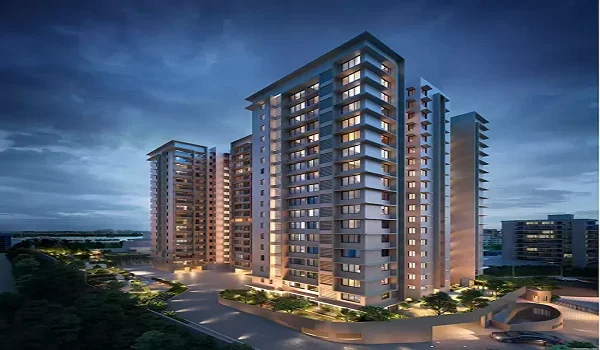
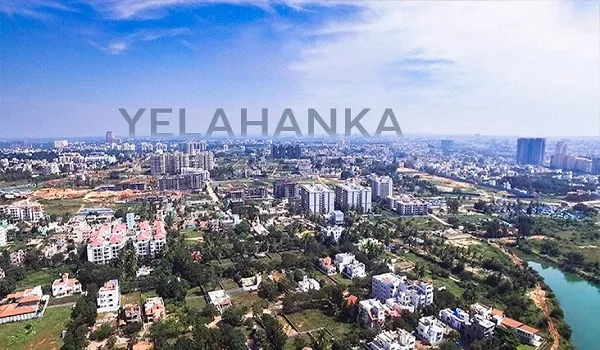
NRI Guide to Buying Property in Bangalore
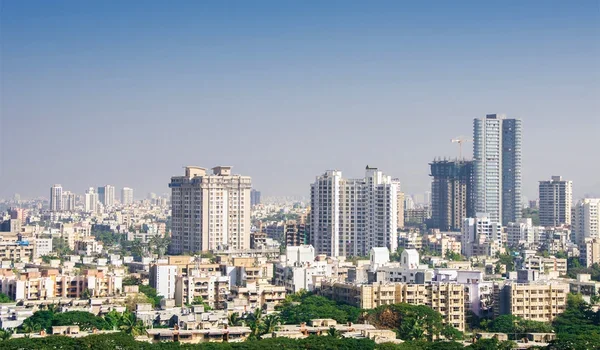
Featured Image of NRI Guide to Buying Property in Bangalore


Yes, NRIs can buy residential and commercial property in Bangalore. You do not need special permission from the RBI for this. The Foreign Exchange Management Act, known as FEMA, allows this purchase for any NRI or OCI cardholder. You cannot buy agricultural land, farmhouses or plantation property under this rule. An apartment, a villa or office space all stay open to you.

Bangalore keeps pulling NRI buyers back every year. IT salaries, aerospace jobs and a growing airport belt drive this demand. Many NRIs also see Bangalore property as a stable asset back home. It stays clear of currency swings tied to their country of residence. This guide covers the documents, the buying steps, home loan rules, tax facts and repatriation limits you need. Read this before you sign anything.
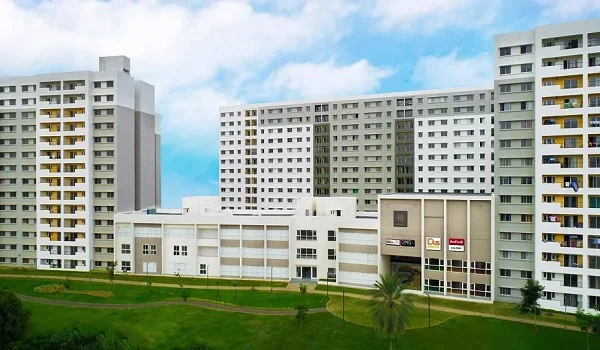

Can NRIs Buy Property in Bangalore?


An NRI is an Indian citizen living outside India for work, business or education. An OCI cardholder is a foreign citizen of Indian origin. Both groups get almost the same rights when buying property in India.

You can buy as many residential and commercial properties as you want. There is no cap on the number of units. The only restriction covers agricultural land, farmhouses and plantation plots. These stay off limits unless you inherit them.

Documents NRIs Need to Buy Property in Bangalore


Keep these documents ready before you shortlist a project. Missing paperwork causes most delays at the registration stage.

  • Valid passport and visa, or OCI card
  • PAN card, since it is mandatory for property deals in India
  • Passport size photographs
  • Proof of overseas address, such as a utility bill or bank statement
  • Power of Attorney, if someone in India will sign on your behalf
  • NRE or NRO bank account details for the payment trail

A Power of Attorney matters most when you cannot travel to India. Get it drafted by a lawyer first. Then get it notarised at the Indian consulate in your country of residence.

How NRIs Can Buy Property in Bangalore: Step by Step


The process stays close to what a resident buyer follows. A few extra checks apply along the way.

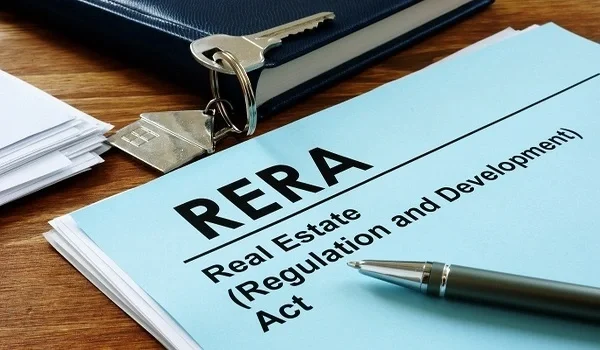
  • Shortlist projects and confirm RERA registration on the Karnataka RERA website.
  • Verify the builder's track record, land title and approved plan.
  • Open an NRE or NRO account if you do not already hold one.
  • Sign the booking form and pay the token amount through this account.
  • Complete KYC and submit the documents listed above.
  • Apply for a home loan if you need one, since most banks lend to NRIs.
  • Sign the sale agreement, then register the property at the local sub registrar office.
  • Pay stamp duty and registration charges, which vary by value and location.

Most builders now accept digital document submission. The final registration step still needs a physical presence though. A Power of Attorney holder can stand in for you at the sub registrar office.

Home Loan for NRIs Buying Property in Bangalore


Most major Indian banks lend to NRIs, including SBI, HDFC and ICICI. Your eligibility depends on your income abroad, your job stability and your age at loan closure.

Factor Typical NRI Home Loan Terms
Loan to Value Ratio Up to 80% of property value
Tenure Up to 20 to 25 years, based on your age at closure
Interest Rate Close to resident rates, varies by bank
Repayment Mode Only through NRE or NRO account, no cash
Co-applicant Often required, usually a resident Indian relative

Banks ask for your salary slips, employment contract and passport copy. You will also submit the standard property documents. Loan processing from outside India can take longer. Start this step early to avoid delays.

Payment Methods and Repatriation Rules


You must route all property payments through an NRE, NRO or FCNR account. Cash payments are not allowed under FEMA rules. Payments from a normal overseas bank account are also not allowed.

Repatriation means sending your sale proceeds back abroad. This comes with a clear limit. You can repatriate proceeds from up to two residential properties. The cap stands at USD 1 million per financial year. This limit covers all money moved out of your NRO account, not property alone. Talk to your chartered accountant early. You will need Form 15CA and Form 15CB before any large transfer.

Tax Rules NRIs Should Know


Buying property in India does not attract income tax at purchase. Tax comes into play later, mainly around rental income and resale.

Rental income from your Indian property gets taxed in India. TDS applies before the rent reaches your account. Capital gains tax applies on resale. Short term gains apply if you held the property under two years. These get added to your income and taxed at your slab rate. Long term gains apply beyond two years. These attract a lower fixed rate, along with an indexation benefit.

Buyers must deduct TDS when paying an NRI seller. This rate runs much higher than the rate for a resident seller. Rates change from time to time. Check the current rate with your chartered accountant before you close any deal.

Best Areas in Bangalore for NRI Investment


NRIs tend to favour areas with strong infrastructure and steady rental demand. Whitefield, Sarjapur Road and the North Bangalore airport belt remain popular picks for this reason.

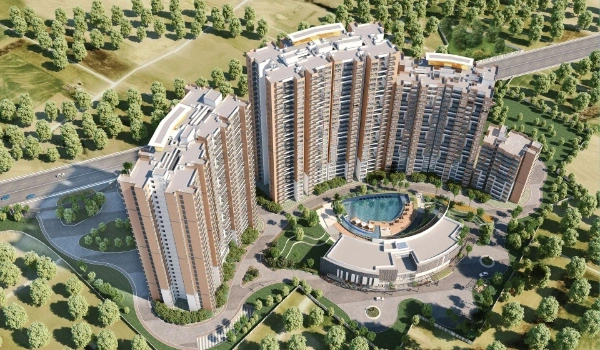
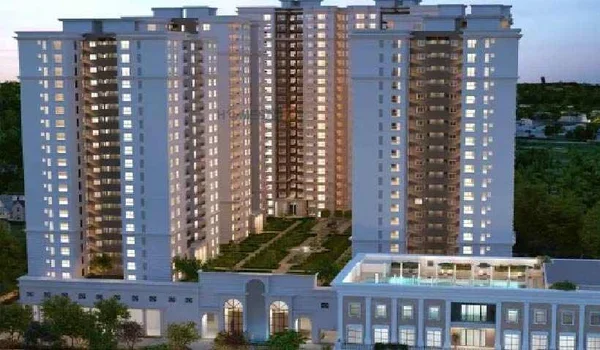
The North Bangalore corridor near Devanahalli has picked up real pace lately. The airport, the upcoming Satellite Town Ring Road and growing aerospace jobs all support this. Projects such as sit right inside this corridor, near Muddenahalli in KIADB Phase 2. That location explains why many NRIs now track its pre launch price ahead of the formal launch. A project backed by an established developer helps too. It eases the usual worry an NRI carries about site visits and long distance monitoring.

Common Mistakes NRIs Make While Buying Property


Many NRI buyers skip a title search. They trust the builder's word alone, which is a risky habit. Always hire an independent lawyer to check the title chain, encumbrance certificate and approved plan.

Some buyers send money through informal channels to save on transfer fees. This creates problems later during resale or repatriation. The payment trail will not match FEMA rules. Route every rupee through your NRE or NRO account, even if it costs a little more.

A third common mistake is delaying the Power of Attorney. Consulate appointments abroad can take weeks to schedule. Start this paperwork the day you decide to buy.

Prestige Group Prelaunch Project is Prestige KIADB.

FAQs


1. Can an NRI buy property in Bangalore without visiting India?

Yes. A Power of Attorney holder can handle most steps for you, including registration at the sub registrar office.

2. Do NRIs need RBI permission to buy property in India?

No. FEMA gives general permission to NRIs and OCI cardholders. No separate RBI approval applies for residential or commercial property.

3. Can NRIs get a home loan for property in Bangalore?

Yes. Most Indian banks offer NRI home loans, usually up to 80% of the property value. Repayment happens only through an NRE or NRO account.

4. How much money can an NRI repatriate after selling property in India?

You can repatriate up to USD 1 million per financial year. This applies across a maximum of two residential properties, subject to tax clearance.

5. Is TDS applicable when an NRI sells property in India?

Yes. The buyer must deduct TDS before paying an NRI seller. This rate stays higher than the rate for a resident seller.

6. Which areas in Bangalore do NRIs prefer for property investment?

Whitefield, Sarjapur Road and the North Bangalore airport belt near Devanahalli see strong NRI interest. Infrastructure and rental demand drive this pattern.

Enquiry
Enquire Now